Bringing Life to Your Community

In my last post I talked about community gardens and how they would be a good project for the city of Keene or schools in the area to develop. Before I talked about the placement and potential ways  it could benefit the community but community gardens can do so much more. Community gardens are a good solution to environmental issues, can benefit your health and well being, and are a very ethical way to grow produce. Community gardens can also help those in need. Many areas may already have a community garden that you can visit, or you can propose one to your city and apply for grants, or start your own at home and invite your friends! There are countless amounts of benefits that come from being part of a community garden.

Gardens can improve air and soil quality as well. Plants photosynthesis and release oxygen into the air as well as absorb carbon dioxide. I find this very important since carbon dioxide is one of the leading air pollutants. The plants can also help the soil by preventing soil erosion, replenishing nutrients, and purifying the soil! This helps the quality of your garden, the land, and the air. 
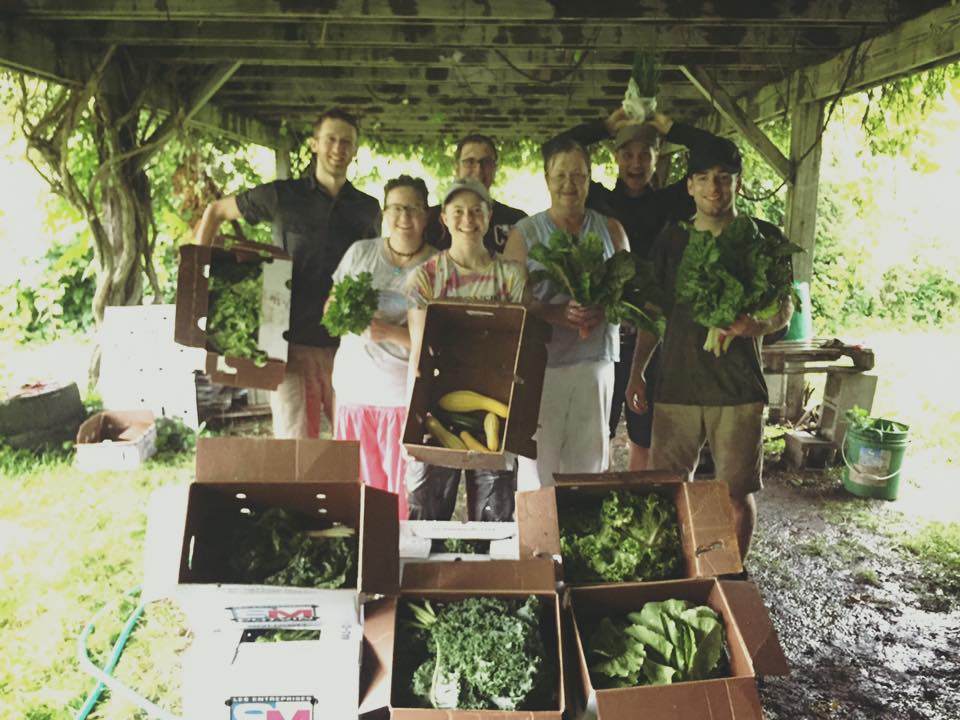
Photo is from Keene Community Garden Connections

Community gardens are a surprisingly good way to keep the environment healthy because when you grow your own food, there is not any waste involved. Think about it, when you buy produce at the store you have to wrap it in a plastic bag, it comes with a sticker on it, they put it in a bag for you, it may come in a plastic cup, many truckers have to transport the crops there in large trucks. Involved in this process is plastic consumption and gas/diesel consumption. The amount of waste may seem small at the time but over the course of a year it’s a lot. For example, if you buy 3 pieces of produce a week over the course of a year that is a little over 1,000 stickers in a year. Every small piece of waste adds up. 

Another way to avoid waste and help the environment is through composting. Composting is such an underrated form of recycling and it can help improve the quality of your garden as well! You can compost leftover fruits, vegetables, coffee grounds, eggshells, and things such as banana peels. Composting will help reduce your carbon footprint by avoiding wasting these products and therefore reducing landfill emissions. It will also help your garden, composting enriches the soil, retains more moisture, and helps suppress disease and pests. There are so many ways to help your garden and in turn, your garden will help you and the environment.
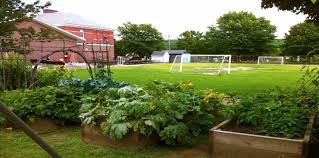
Photo is from Keene Community Garden Connections

Gardens are also a good way to help your health and wellbeing. Getting outside and working with nature is a good mood booster. I don’t know anyone who has ever been for a nice walk outside and disliked it. Same goes with gardening, it’s rewarding and a mood booster. Most of the time everyone feels a lot better afterwards, physically and mentally. Gardening is also physically beneficial because you grow your own healthy food. Fruits and vegetables have tons of antioxidants and nutrients to help improve your health. Gardening can help combat the obesity problem that arises in low income areas. According to the Greenleaf communities website, “Low accessibility to nutritious foods can cause health problems to residents located in food deserts. The addition of gardens may encourage the consumption of produce in the area. 
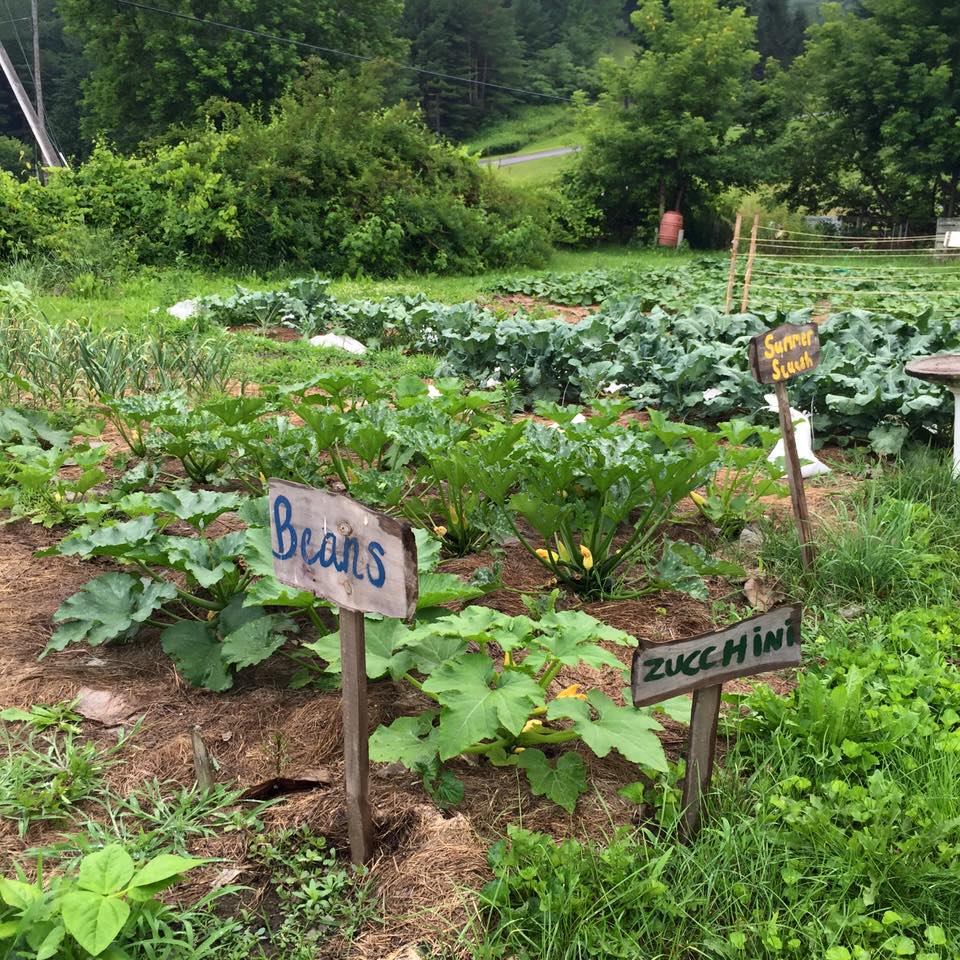
Photo is from Keene Community Garden Connections

Lastly, Community Gardens are super important since they help encourage ethical farming. When you grow your own food, no one else is underpaid or subjected to poor work conditions. The National Farm Worker Ministry states some of the issues farmers have “Farm workers are among the poorest workers in this country… Hazardous conditions are routine, including pesticide exposure, extreme heat and lack of shade and adequate clean drinking water.” Many large scale farmers are not paid well for the work they do. When you grow your own food you avoid supporting a harmful and toxic industry. Large scale animal agriculture is another industry you avoid supporting when you grow your own food. Workers who work on a factory farm often experience PTSD from seeing how horribly animals are treated. Being part of a community garden will help encourage a plant based diet and therefore helps people avoid animal products. Avoiding animal products will definitely improve your health too since only animal products contain cholesterol. 
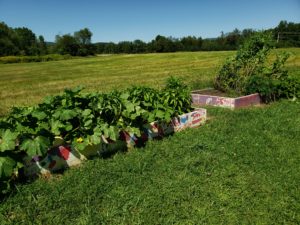
Photo from Antioch University

Community gardens also have a huge impact on those less fortunate, those who suffer from food insecurity. Community gardens can be open to anyone so people with low incomes can have healthy food to eat. Extra food or food that people do  not need can be donated to the homeless shelter or community kitchen as well. 

The solution of community gardens is very important because they cover a lot of bases. They help people reduce waste, help put oxygen back into the air, they literally feed people, and all the food grown is healthy and full of nutrients. It is kind of the perfect solution to a multitude of problems. 
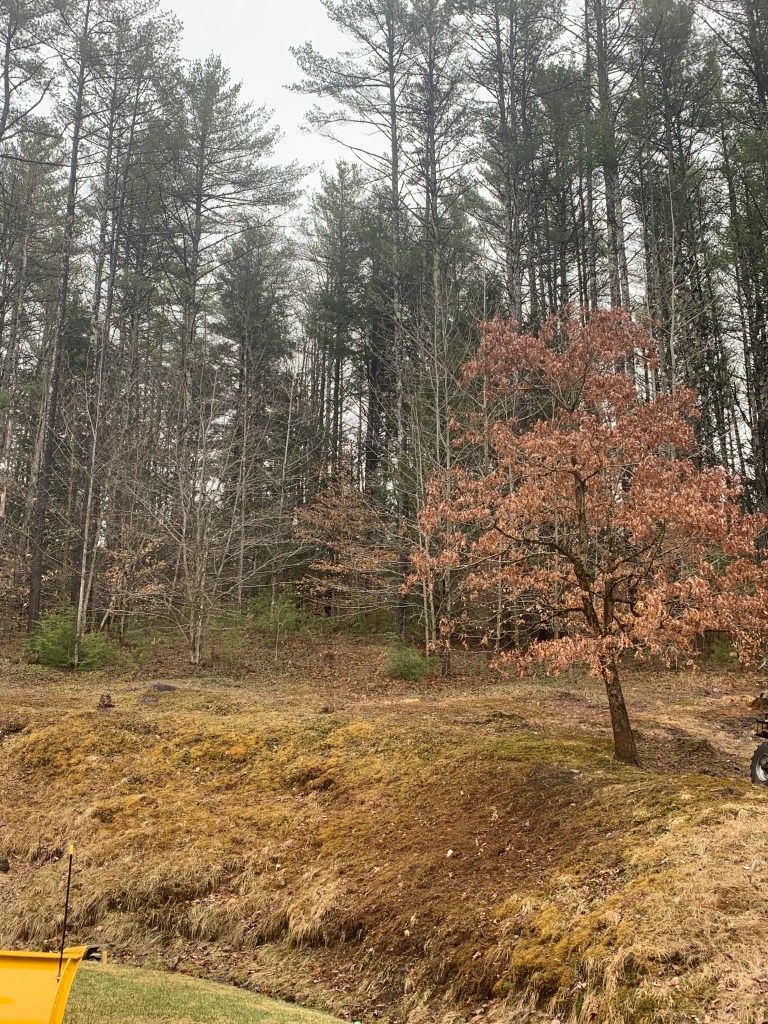
Green Keene

Greenhouses in Keene

Keene, New Hampshire has a lot of potential for growth. We have a community that cares about the local economy, the environment, and the people. Although it is a little beaten down and it definitely has its issues, it can also be a really charming place with brick buildings, local shops, and personality. I think that the city can help reengage community members by making a common ground spot where everyone is welcome.  Keene has some spaces that can be used to make a greenhouse or garden. By starting one of these projects it can help the city get resources, come closer together, and can help influence people to better connect with Nature. 

Although this idea that I have isn’t technically biophilic design according to the pictures you normally find when you look up the words on google, I still feel like it is. It can bring nature into parts of the city that are lacking greenery, it will help people become more connected to the earth which is the point of this type of design. Also my idea relates to Keene being an Eco city because it will help the community become more sustainable, through growing their own food, it will help make the residents healthier, and it will help influence the community to care more about the environment than they did before.  

My backyard
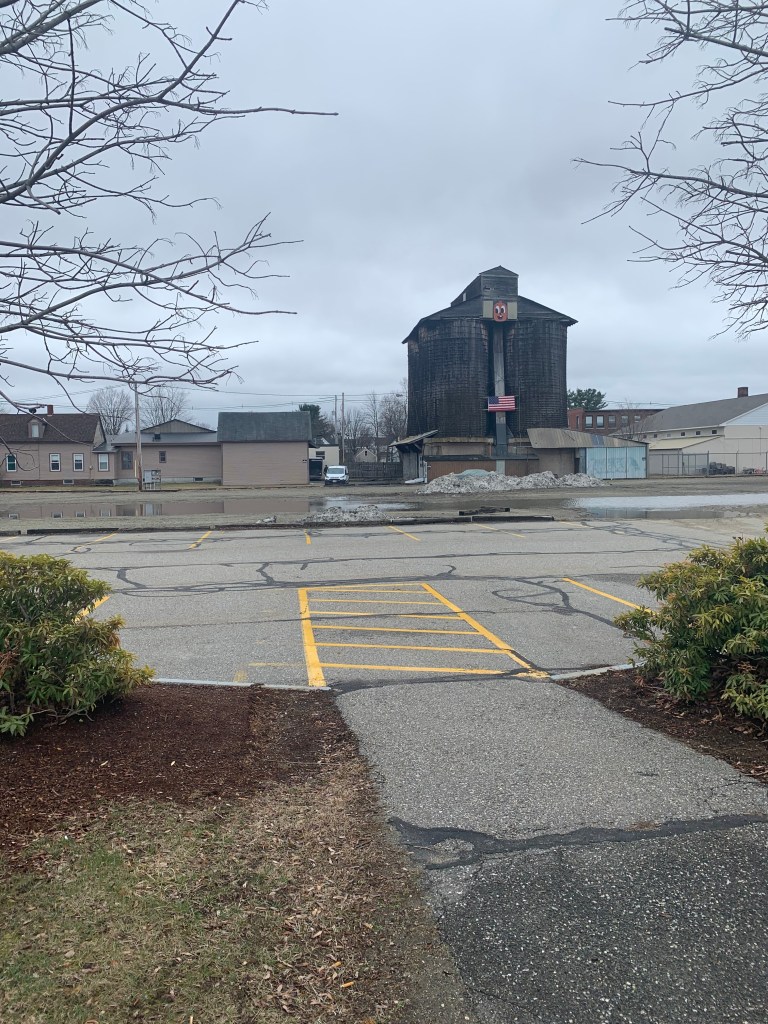
Empty lot in Keene
Behind the middle/high school in Swanzey

The plan

The plan I have for this is for the food being produced is free. Not too much money has to go into it in the first place either. Volunteers grow it, maybe it can be part of a person’s community service and it will be given back to the community. If local shops wanted to take herbs they could as well. Kind of like the man in LA who was growing food in his parkway and letting anyone take it. He was directly helping those who did not have a lot of money to feed their families healthy food. He also inspired almost everyone in his city, to start caring about his city and helped them realize people needed help.

There are some spaces in the Keene area that just don’t seem to have a purpose, land that can be used and vacant lots that are well located, that are kind of a waste of space. For example, there is an empty dirt lot over in one of the parking lots by the skate park. It is a decently sized space for nothing to be there. I think putting a garden over there would be super beneficial considering that the homeless shelter is across the street. The homeless shelter can use the resources that the garden provides instead of solely relying on taxes and donations. 

There are other places that could do this as well, such as the middle school in Keene or the High school Middle school in Swanzey. The students can pick gardening as an elective and use their lunch time or class time growing food that can either go back to the community or be used to make school lunches more sustainable and healthy. This would be a great way to encourage students to grow their own food at home, help them be more environmentally aware, educated on large scale farming, and can help them feel more tied to the community. 

So my question for everyone else is, what do you think is more beneficial?  Empty lots and empty spaces or enriching the lives of the community? Making the city greener will also make the city care more, it will directly benefit the community by producing food and having a good cause. I think no matter what green project gets implemented, regardless of where it goes, it will benefit the lives of others. Even if it’s only for that day or if it changes them for years. There is no downside when it comes to introducing nature into people’s lives.

Contact me Kiley Tenney
kiley.tenney@ksc.keene.edu

What Gratitude Means to Me

I kept a journal for a week responded to prompts about gratitude. I already knew I was thankful for the life I have but keeping the journal made me understand a certain part of my life that I never realized I was thankful for. I’m thankful for memories I have rather than items. I am more thankful for my family than I am for my house. Writing in this journal made me reflect on the goods parts of my life but also on the harder aspects of my life. One of the prompts reminded me of how struggle can be good, especially if it changed you, helped you in some way, or even helped someone else. 

Through journaling for a week I realized gratitude is a very important thing for people to practice. Practicing gratitude can be extremely meaningful and beneficial if people get in depth with it and are thoughtful about it. Showing and practicing gratitude can be much more meaningful than just listing things you’re thankful for. Gratitude can help you realize moments in your life that changed you, it can help you remember important parts of your life that you may have forgotten. Practicing gratitude can give new perspectives on new and old views. Sometimes you realize the bad memories, mistakes, and hardships are not always things that you are necessarily grateful for but changed who you are as a person, for the better. This is like the saying, do you see the glass half empty or half full? Do you choose to only see the negative in every situation or will you try to see the positive. 

    I think indirectly, this is one of the surprises that was mentioned in the article we read, that correlated surprise and gratefulness. Finding the positive in negative situations can be surprising. When you look back on memories that are tied to unpleasantry, it may surprise you to find out that you are actually grateful for that moment in time. For example, going through a long period of depression or stress related struggles and overcoming those struggles are literally life changing. What gets you out of that rut can permanently change you. I personally went through a struggle like that, getting out of that time helped me grow as a person. I am surprised at how much I have changed since then.

For some, rewiring your brain to have a different perspective on negative situations can improve quality of life, reduce fear and worry. In another article I read it talks about how negative bias is a preset in our brains, for primal reasons. Practicing gratitude will cut across this mindset and help give way for a more positive perspective. A study done found that people who practice gratitude do not ignore or deny the unpleasantness of life but rather learn to appreciate the positive as well.

    Through personal experience, I know that focusing too much on the negative, turns neutral experiences negative. Kind of like, if you expect your day to be bad and crappy, you may point out the badness of the day and ignore the good parts. Sometimes your own brain can manifest the negativity you chose to notice. You can talk yourself into having a bad day sometimes. I’ve done it too myself, I think it’s part of human nature. However, through practicing gratefulness maybe you can turn bad days into good ones, by manifestation. If you tell yourself you will have a good day, perhaps you will. 

Through change and gratitude, people can learn to appreciate life more. They don’t have to focus on what’s missing but focus on what is there. Everyday we are so blessed to have an abundance of life with beautiful views. Animals that wander around and surprise us on hikes. Plants that are used to scent your favorite lotion. Practicing gratefulness will help us all see the beauty in the world that already exists. It can help others feel close to nature, and feel the need to help and protect it rather than take it for granted. 

    An important part of gratefulness is appreciation, but a lot of it is perspective and outward attitude. It’s hard to appreciate what you have in life if you have a bad attitude about life. Accept the fact that not everyday will be a good day. Let life surprise you. Think about what you appreciate in life. Keep a journal to keep you reminded of how good the world can be. The smallest changes can lead you to have a more meaningful life, a happier life. Gratefulness can lead to a more positive life.

Connection to Nature

Most people find nature and being outside to be soothing and a pleasure activity. Well science agrees that going outside or even looking outside can help a person destress. In an article called How Trees calm us, they did a study on people in hospitals. Some people had a view of a forest and some had a view that faced the wall. The people who had a view of the forest left the hospital a day sooner (1). This gives the consensus that going outside is beneficial to humans and helps us connect to nature. I believe that being outside can help your mood, your health, and your mentality. 

Being nature helps better your mood. Many people who are outside frequently are in better moods and clearer mindsets than those who aren’t. Many people like to go outside to destress or maybe to help clear a clouded mind. I personally have never met someone who has come back from a walk or hike in a bad mood, normally they come back happier. In one of the articles we read a doctor talks about a friend he had a friend who had tourettes and when he was in the city he had hundreds of ticks a day, but while on a hike he had minimal ticks (2). This could be due to the overwhelmingness of the city they lived in compared to the remoteness and calmness of the outdoors. The physical change in this person was in relation to mental aspect. Being outdoors was so calming to this person it temporarily relieved symptoms of his disease. 

Being in nature can also improve our moods so well, we become nicer to others. Due to the fact that being outside reduces feelings of anger, fear, and stress (3). We saw this in a video in class where they showed nature photos to people who were in prison. They felt calmer after looking at these photos over time. Also in another study in Chicago (3). Tenants who had greenery around their building were kinder to their neighbors and knew more people in their building. This is due to the fact that nature is a natural mood booster.

My boyfriend thinking he’s funny on a hike.

Nature can help your physical health. People who enjoy going outside also enjoy hiking, walking, playing sports, or doing other activities outdoors. Being outdoors, especially exercising outdoors, can help get clean oxygen to your brain which will help it function and perform better. Also benefits like, getting vitamin D from the sun, reducing blood pressure, heart rate, and muscle tension (3). Other than that though, the doctor talks about his patients with neurological problems. The doctor from one of the articles claims that a woman with parkisons will freeze up as a symptom of the disease, but while in the garden she is lively and mobile (2). This may have to do with the science of being outside, like more oxygen getting to your brain, or this could be because of the mental aspect. Either way what being outdoors can do for your physical health is amazing.

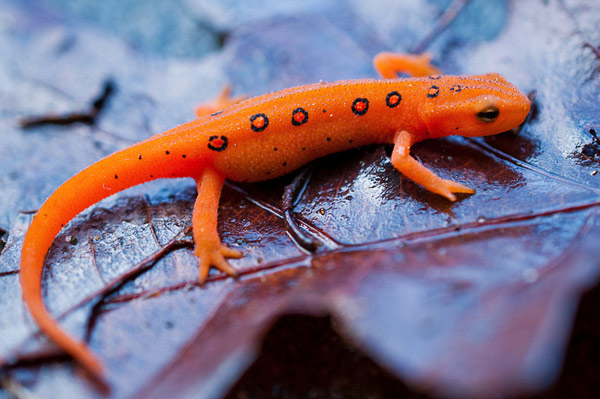
Being outside teaches us to respect nature. We all have memories of being outside as a child which I feel like helped all of us care about it in a way newer generations won’t be able to. Being outside as a child taught me to respect the outdoors. I remember holding a red spotted newt as a child and it ended up dying. I was so upset over it and then I learned that the oils from your hands will kill them, I was 5 and devastated. I never held a newt after that. I learned to respect the newts and I saw them all the time but I never touched them. I wouldn’t have learned about newts if I didn’t go outside. I wouldn’t have learned to respect all the other life I was experiencing. When I killed a butterfly, I stopped catching them. When lightning bugs died in a jar, I stopped capturing them. When we hurt nature, it encourages us to learn how to protect it. I promise I wasn’t a monster as a kid. I was just curious, curious about life, curious about the beauty it gave us. That’s why when I hurt the beauty, I learned to not hurt it.

    Being outside helps us connect to nature, sometimes that ends up benefiting humans, sometimes it benefits nature. Depends on how you look at it. Depends on what you do with it. Many people take going outside for granted. There is so much beauty around us it’s hard to not take the time to sit down and enjoy it. Some treat it as though it is a chore and claim they don’t have time for hiking or other outdoor activities. But many people and scientists believe that it is beneficial. It is especially beneficial to those who work long hour office jobs who claim to not have the time for it. 

I encourage everyone to spend more time outside, I probably should too. It really does feel amazing to take a hike in the morning on a weekend and then go home, shower, and feel ready to brave the day. It will also help your health and connection to nature.

Sources

1. Hutchinson, A. (2015, July 23). How Trees Calm Us Down. Retrieved on March 3, 2020 from http://NewYorker.com

2. Sacks, O. (2019, April 18). Opinion Oliver Sacks: The Healing Power of Gardens.

3. How Does Nature Impact Our Wellbeing. (n.d.). Retrieved March 4, 2020, from Taking Charge Of Your

    Wellbeing website: https://www.takingcharge.csh.umn.edu/how-does-nature-impact-our-wellbeing

About Me

My name is Kiley, I am a freshman and I am from Swanzey New Hampshire. As of right now I am undeclared but have an interest in environmental studies. If I go through with environmental studies as a major I would want to minor in biology. I feel like those two fields would be as close as I can get being able to work with animals and the land. I enjoy the beauty of nature and the life it gives us to admire.

When I was in high school I had to take biology and my teacher was so passionate about anything science-related. I fell in love with his biology course which also heavily involved ecology. I thought ecosystems were so fascinating and really liked how everything in the chain was connected. That is kind of when I got interested in animals and the beauty of them. They affect everything and it’s so important to keep these animals around and protected for the long haul and I knew getting involved with the environmental science program could help with that. Sustainability is important to me because it affects our animal life. It affects their food chain. Animals are being removed from their homes and going extinct due to the human lifestyle and soon it will have effects on us.

Introduce Yourself (Example Post)

This is an example post, originally published as part of Blogging University. Enroll in one of our ten programs, and start your blog right.

You’re going to publish a post today. Don’t worry about how your blog looks. Don’t worry if you haven’t given it a name yet, or you’re feeling overwhelmed. Just click the “New Post” button, and tell us why you’re here.

Why do this?

  • Because it gives new readers context. What are you about? Why should they read your blog?
  • Because it will help you focus you own ideas about your blog and what you’d like to do with it.

The post can be short or long, a personal intro to your life or a bloggy mission statement, a manifesto for the future or a simple outline of your the types of things you hope to publish.

To help you get started, here are a few questions:

  • Why are you blogging publicly, rather than keeping a personal journal?
  • What topics do you think you’ll write about?
  • Who would you love to connect with via your blog?
  • If you blog successfully throughout the next year, what would you hope to have accomplished?

You’re not locked into any of this; one of the wonderful things about blogs is how they constantly evolve as we learn, grow, and interact with one another — but it’s good to know where and why you started, and articulating your goals may just give you a few other post ideas.

Can’t think how to get started? Just write the first thing that pops into your head. Anne Lamott, author of a book on writing we love, says that you need to give yourself permission to write a “crappy first draft”. Anne makes a great point — just start writing, and worry about editing it later.

When you’re ready to publish, give your post three to five tags that describe your blog’s focus — writing, photography, fiction, parenting, food, cars, movies, sports, whatever. These tags will help others who care about your topics find you in the Reader. Make sure one of the tags is “zerotohero,” so other new bloggers can find you, too.

Design a site like this with WordPress.com
Get started